
Process and Qualification Requirements for Opening a Convenience Store in Singapore
Singapore's convenience store industry has a vast market. Due to its fast service and convenient shopping experience, it has attracted a large number of investors. Whether it's chain brands like 7-Eleven and Cheers, or independently operated small convenience stores, the market demand for convenience stores remains strong. Below is a detailed process and qualification requirements for opening a convenience store.
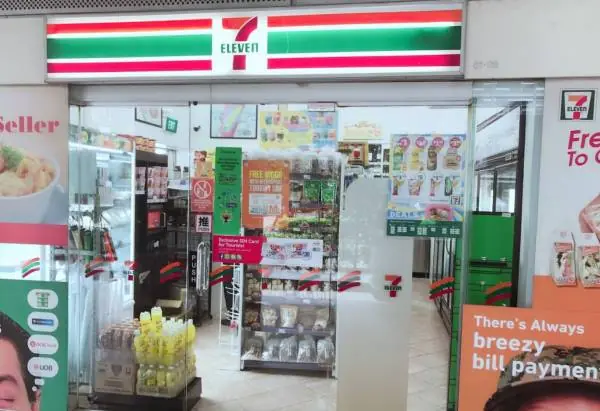
1. Market Background and Industry Analysis
1. Convenience Store Industry Overview
Singapore has numerous convenience stores that not only provide daily necessities for local residents but are also favored by office workers and tourists for their fast and convenient services. Although some retail businesses were affected during the pandemic, convenience stores maintained relatively stable development due to their function of providing basic living supplies.
2. Market Opportunities
Although the convenience store industry is highly competitive, its low-cost operations, fast product turnover, and high profit margins make it an investment-worthy industry. In addition, the diversified products, value-added services (such as parcel collection, bill payment, etc.) and convenience offered by convenience stores can meet the needs of consumers at different levels.
2. Basic Process for Opening a Convenience Store
1. Singapore Company Registration
The first step in opening a convenience store is to register a company. You need to register your Singapore company with the Accounting and Corporate Regulatory Authority (ACRA). Typically, convenience stores are registered as private limited companies (Pte Ltd) because they provide limited liability and can enjoy tax benefits.
- Company Name Selection: Ensure the company name complies with Singapore's naming rules and passes ACRA's review.
- Submit Required Documents: Including detailed information of directors, shareholders, company secretary, and registered address.
- Obtain Unique Entity Number (UEN): After successful registration, you will receive a unique entity number for applying for necessary business licenses and qualifications.
2. Location Selection
The location of a convenience store is crucial. A good geographical location not only brings stable customer flow but also directly affects the store's profitability.
- Location Key Points: Choose areas with high foot traffic, such as residential areas, commercial centers, near MRT stations, etc. Additionally, evaluate the area's competition, rental costs, and logistics delivery convenience.
- Urban Redevelopment Authority (URA) Approval: Before selecting a location, confirm whether the leased premises comply with the URA's commercial use regulations to ensure legal operation of the convenience store.
3. Apply for Relevant Licenses
Depending on the types of products sold in the convenience store, you need to apply for various licenses:
- Business License: All retail stores, including convenience stores, need to apply for a business license. Convenience stores can apply to **Enterprise Singapore**.
- Food Shop License: If the convenience store sells packaged food or beverages, you need to apply for a Food Shop License, issued by the **National Environment Agency (NEA)**.
- Tobacco Retail License: If selling tobacco products, you need to apply for a tobacco retail license from the **Health Promotion Board (HPB)**.
- Liquor License: If the convenience store plans to sell alcoholic beverages, you need to apply for a liquor license from the **Singapore Police Force (SPF)**.
4. Product Selection and Supplier Management
Convenience stores offer a wide variety of products, which need to be purchased according to the needs of target consumer groups.
- Product Selection Strategy: When selecting products, consider basic daily necessities, food, beverages, and products that meet the specific needs of local consumers, such as quick lunches for office workers and snacks for students.
- Supplier Selection: Stable supplier relationships are the foundation of convenience store operations. Choosing appropriate suppliers not only ensures product quality but also reduces procurement costs and increases profit margins.
5. Pricing Strategy
Product pricing needs to be set based on consumers' purchasing power and competitive conditions. Convenience stores in different areas can flexibly adjust prices according to local consumers' payment ability and competition from nearby businesses.
- Pricing Factors: Areas with high consumption levels can appropriately increase product prices, while in highly competitive areas, prices need to be more reasonable and economical.
6. Store Renovation and Display
Convenience store renovation and product display need to consider consumers' shopping experience while maintaining brand consistency.
- Store Renovation: The decoration style should be simple and bright, providing a comfortable shopping environment. Especially for chain brand stores, it's necessary to ensure consistency in brand image.
- Product Display: Product display should make it convenient for consumers to quickly find what they need, such as placing popular products in prominent positions and optimizing in-store traffic flow.
7. Hiring Employees and Work Pass Applications
Convenience stores typically need to hire several employees to ensure daily operations. If foreign employees need to be hired, appropriate work passes must be applied for based on the position:
- Work Permit (WP): Suitable for low-skilled position employees, such as cashiers and shelf organizers.
- S Pass (SP): Suitable for mid-skilled employees, such as store supervisors.
- Employment Pass (EP): Suitable for management personnel or high-skilled employees.
8. Goods and Services Tax (GST) Registration
If the convenience store's annual revenue is expected to exceed S$1 million, you need to register for Goods and Services Tax (GST) with the Inland Revenue Authority of Singapore (IRAS) and collect GST from customers.
3. Qualification and License Requirements
1. Food and Tobacco/Alcohol Sales Licenses
If a convenience store sells food, tobacco, or alcohol, relevant sales licenses must be applied for to ensure legal sales.
2. Retail Business License
All convenience stores need to apply for a business license from Enterprise Singapore to ensure legal operations.
4. Government Support and Financial Incentives
The Singapore government provides various support programs for the convenience store industry:
- Enterprise Development Grant (EDG): Provides funding for convenience stores in market expansion and technology upgrades.
- Productivity Solutions Grant (PSG): Helps convenience stores improve operational efficiency, such as introducing automated inventory management systems.
5. Summary
Opening a convenience store in Singapore requires steps from company registration, location selection, applying for relevant licenses to managing supply chains and hiring employees. Through good planning and operational management, convenience stores can achieve success in Singapore's opportunity-filled market. If you have more questions, we recommend consulting our business advisors.