
The Process and Requirements for Establishing a Transshipment Trade Business Company in Singapore
Singapore, as a globally important transshipment trade center, attracts numerous enterprises to use it as a logistics and trade hub, thanks to its superior geographical location, free trade policies, and world-class port facilities. Below is a detailed process and qualification requirements for establishing a transshipment trade company in Singapore.
1. Market Background and Industry Analysis
1. Definition of Transshipment Trade and Market Demand
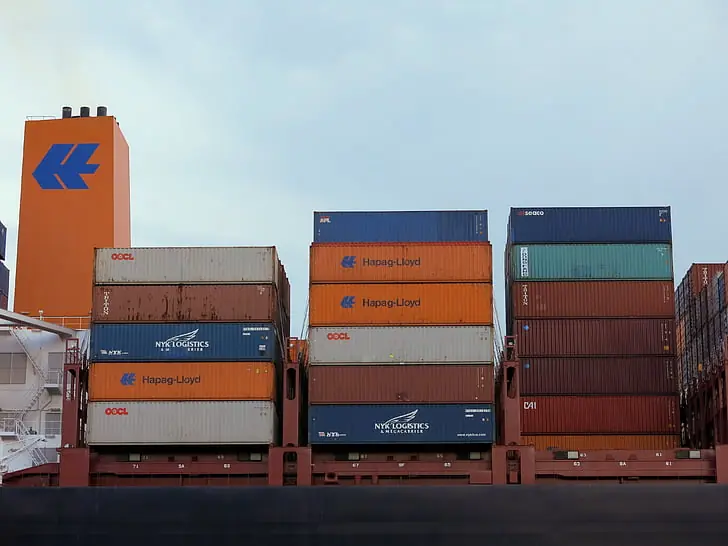
Transshipment trade refers to goods being transported from one country to another through a third country's port without paying import duties in the third country. Singapore is one of the world's largest transshipment trade hubs, leveraging its seamlessly connected maritime and aviation networks along with free trade zone advantages, enabling enterprises to efficiently transship goods to other markets.
2. Market Opportunities
Singapore possesses comprehensive maritime and air transport facilities and serves as a major transit point between Asian and global markets. With the expansion of global supply chains and increasing global logistics demands, transshipment trade companies have extensive market opportunities in Singapore.
2. Basic Process for Establishing a Transshipment Trade Company
1. Singapore Company Registration
The first step in establishing a transshipment trade company is company registration. You need to register with the Accounting and Corporate Regulatory Authority (ACRA) to register a Singapore company. Most enterprises choose to register as a private limited company (Pte Ltd), which provides limited liability and allows enjoyment of Singapore's tax benefits.
- Company Name Selection: Ensure the company name complies with Singapore's naming rules and passes ACRA's review.
- Submit Registration Documents: Including detailed information of directors, shareholders, company secretary, and registered address.
- Company Registration Completion: After registration is complete, you will receive a Unique Entity Number (UEN), which is used to apply for customs accounts and other qualifications.
2. Apply for Customs Account and Registration
Transshipment trade involves extensive import and export activities, so you need to register with Singapore Customs and open a customs account. This account is used for customs declarations, cargo records when goods enter and exit ports, etc.
- Application Process: Submit an application on the Singapore Customs official website to ensure the company has the legality for import and export transactions.
- Free Trade Zone (FTZ) Usage: Singapore has multiple free trade zones where enterprises can store and transship goods without paying import duties.
3. Apply for Freight-Related Licenses
If your company engages in goods transportation, warehousing, or logistics services, you need to apply for relevant licenses. For example:
- Freight Forwarding License: If you provide freight forwarding services (such as arranging air or sea freight), you need to apply for a freight forwarding license from the relevant Singapore transport authorities.
- Warehousing License: If the company plans to establish warehouses in free trade zones or other commercial areas, you need to apply for a warehousing license to ensure the premises comply with safety and commercial use regulations.
4. Lease Office Space and Warehouse
The location of office and warehouse is crucial, especially for transshipment trade companies. Being close to ports or airports can improve operational efficiency.
- Usage of Free Trade Zones: Free trade zones allow enterprises to store, process, and transship goods without paying customs duties. Choosing to establish warehouses or offices in free trade zones can effectively reduce costs.
- Lease Contracts: Ensure the leased premises comply with the Urban Redevelopment Authority (URA) commercial use regulations and sign legal lease contracts with landlords.
5. Transportation Arrangements and Logistics Network Development
Transshipment trade companies typically cooperate with logistics service providers, including sea, air, and land transportation. Therefore, companies need to establish partnerships with multiple logistics suppliers to ensure efficient transshipment of goods.
- Cooperation with Logistics Companies: Choose reliable logistics companies or freight forwarders to ensure goods are transshipped safely and quickly to destinations.
- Supply Chain Management System: To optimize transshipment efficiency, companies can introduce supply chain management systems to help track cargo flow, inventory management, and transportation status.
6. Ensure Compliance and Tax Filing
Transshipment trade companies need to comply with Singapore's customs regulations and ensure legal compliance of goods during import and export processes.
- Taxes and Customs Duties: Singapore's transshipment trade companies typically do not need to pay import and export duties, especially when goods are transshipped in free trade zones. However, exporters need to ensure compliance with the destination country's customs policies.
- Goods and Services Tax (GST) Registration: If the company's annual turnover exceeds SGD 1 million, you need to register for GST with the **Inland Revenue Authority of Singapore (IRAS)** and collect GST when applicable.
3. Qualification and License Requirements
1. Customs Account Registration
All companies involved in import and export activities must register with Singapore Customs and open a customs account to legally handle customs declarations and transportation matters.
2. Free Trade Zone Usage Permit
If the company plans to utilize Singapore's free trade zones, you need to apply for the corresponding usage permit to ensure goods can flow within free trade zones without duties.
3. Freight and Warehousing Licenses
Transshipment trade involves cargo transportation and warehousing activities. Companies need to apply for freight forwarding licenses and warehousing licenses to ensure legal operations.
4. Government Support and Financial Incentives
The Singapore government provides multiple support programs and financial incentives for companies engaged in international trade and logistics:
- Enterprise Development Grant (EDG): Supports financial subsidies for enterprises in international market expansion and supply chain management optimization.
- Productivity Solutions Grant (PSG): Provides financial support for enterprises to introduce logistics management systems and automated equipment to improve operational efficiency.
5. Summary
Establishing a transshipment trade company in Singapore requires multiple steps from company registration, applying for customs accounts to ensuring efficient logistics network development. By fully utilizing Singapore's free trade zones and comprehensive logistics infrastructure, transshipment trade companies can effectively reduce costs and improve market competitiveness. If you have any further questions, we recommend consulting our business advisors.