
Process and Qualification Requirements for Starting a Warehousing and Logistics Business in Singapore
As Asia's logistics and transportation hub, Singapore boasts modern port, airport, and road infrastructure, making it an ideal location for warehousing and logistics operations. Here are the processes and qualification requirements for opening a warehousing and logistics business in Singapore.
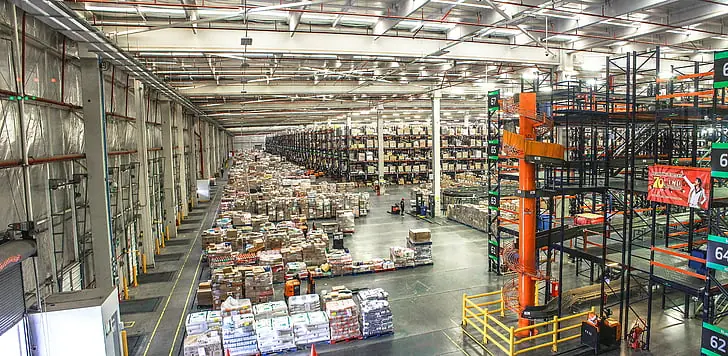
1. Market Background and Industry Analysis
1. Market Demand for the Warehousing and Logistics Industry
Singapore is a leading global trade and logistics center. Its strategic geographical location and efficient logistics infrastructure make it the preferred choice for many international companies to operate logistics and supply chain management in Southeast Asia. The logistics and warehousing business involves various services including goods storage, distribution, transportation, freight forwarding, and warehouse management.
2. Market Opportunities
The rapid growth of Singapore's logistics market is driven by the continuous expansion of global supply chains, and the rise of e-commerce has also driven demand for warehousing and distribution services. Warehousing businesses can meet various needs from e-commerce order processing to international cargo transit, particularly in port logistics and air freight distribution.
2. Basic Process for Starting a Warehousing and Logistics Business
1. Singapore Company Registration
The first step in starting a warehousing and logistics business in Singapore is company registration. You need to register with the Accounting and Corporate Regulatory Authority (ACRA) to register a Singapore company. Most warehousing and logistics companies choose to register as a Private Limited Company (Pte Ltd), which provides limited liability and tax benefits.
- Company Name Selection: Ensure the company name complies with ACRA's naming rules and passes approval.
- Submit Registration Documents: Include detailed information about company directors, shareholders, company secretary, and registered address.
- Company Registration Completion: After company registration is complete, you will receive a Unique Entity Number (UEN) for subsequent business applications.
2. Apply for Necessary Licenses
Warehousing and logistics businesses involve various licenses, depending on the types of services provided. Common licenses include:
- Warehousing License: If operating large-scale storage facilities or facilities with special storage requirements (such as hazardous materials, food, etc.), you need to apply for a warehousing license from relevant authorities. Singapore's **National Environment Agency (NEA)** and **Singapore Food Agency (SFA)** may need to review certain warehouses.
- Transport License: If the company provides freight transport services, you may need to apply for a freight license. Additionally, companies involved in hazardous goods transportation need to apply for a hazardous goods transport license.
- Customs Registration: Warehousing and logistics companies need to register with Singapore Customs to engage in business related to goods import, export, and transshipment.
3. Lease or Purchase Warehouse Facilities
Choosing the right warehouse location is key to successfully operating a logistics business. The warehouse facility location should meet customer needs while being close to ports, airports, or highways for convenient cargo transportation.
- Urban Redevelopment Authority (URA) Approval: Ensure the leased warehouse complies with the Urban Redevelopment Authority's commercial use regulations, particularly whether the warehouse storage type meets local planning requirements.
- Lease Agreement: Sign a legal lease agreement with the landlord, clearly stating rent, lease term, and commercial use terms.
4. Apply for Customs Account
For import/export-related warehousing and logistics businesses, you need to register with Singapore Customs and apply for a Customs Account to handle customs declaration matters for import and export goods. Companies with customs accounts can use Singapore's free trade agreements and enjoy tariff benefits.
5. Hire Employees and Apply for Work Permits
Warehousing and logistics businesses typically need to hire drivers, warehouse managers, transport coordinators, and other employees. If you need to hire foreign employees, you need to apply for appropriate work permits based on the position:
- Work Permit (WP): Suitable for low-skilled positions, such as drivers or warehouse workers.
- S Pass (SP): Suitable for mid-skilled positions, such as logistics coordinators or warehouse managers.
- Employment Pass (EP): Suitable for management or high-skilled position employees.
6. Data Management and Logistics Management Systems
Warehousing and logistics businesses rely on effective inventory management and distribution systems. To efficiently manage goods, you need to install Warehouse Management Systems (WMS) and Logistics Management Systems (LMS) to improve operational efficiency.
7. Safety and Compliance
Warehousing and logistics companies need to comply with the **Workplace Safety and Health Act (WSH)** regulations, ensuring warehouse environment safety and providing safety training for employees. Additionally, companies involved in hazardous goods storage or transportation need to ensure compliance.
3. Qualification and License Requirements
1. Warehousing License
Depending on the type of warehouse and nature of stored goods, warehousing companies need to apply for warehousing licenses from the **National Environment Agency (NEA)** or **Singapore Food Agency (SFA)**.
2. Transport License
Warehousing and logistics companies providing transport services need to apply for a freight license, and companies involving hazardous goods particularly need to apply for a hazardous goods transport license.
3. Customs Registration
Warehousing and logistics companies related to import/export must register with Singapore Customs to handle all customs declaration business for import and export goods.
4. Government Support and Financial Incentives
The Singapore government provides a series of grants and support programs for the warehousing and logistics industry to help companies optimize operations and improve efficiency:
- Enterprise Development Grant (EDG): Provides financial support for business expansion, technology upgrades, and productivity improvements.
- Productivity Solutions Grant (PSG): Helps logistics companies adopt advanced management systems and automation equipment to improve operational efficiency.
5. Summary
Opening a warehousing and logistics company in Singapore requires following a series of processes from company registration to applying for necessary licenses. Through proper planning of warehouse facilities, applying for customs accounts, and ensuring compliance, warehousing and logistics companies can achieve success in Singapore's logistics market. If you have any further questions, we recommend consulting our business advisors.